
Classrooms & Lecture Halls
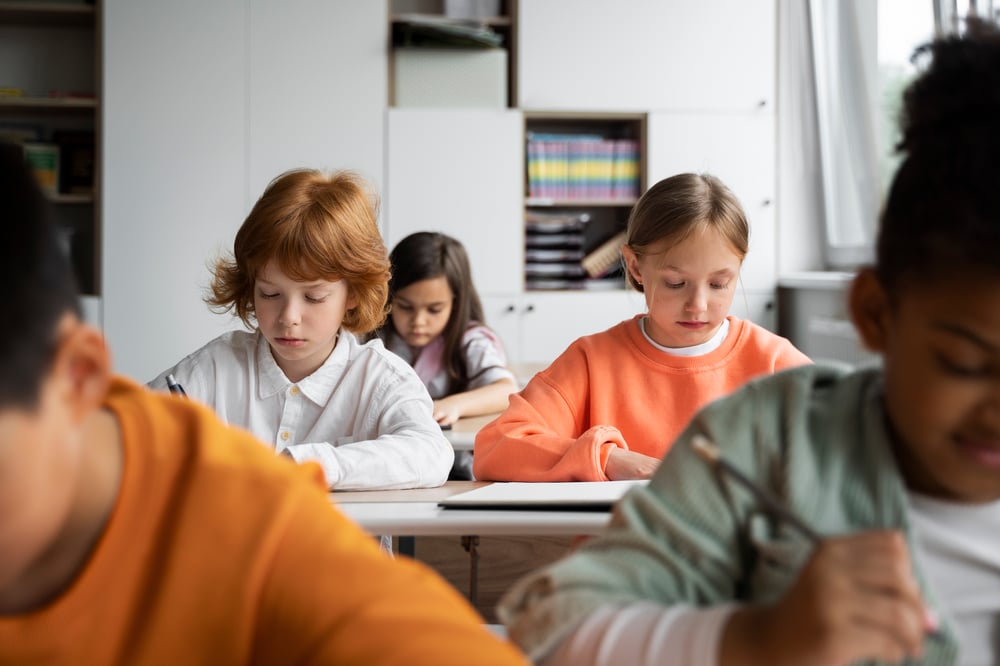
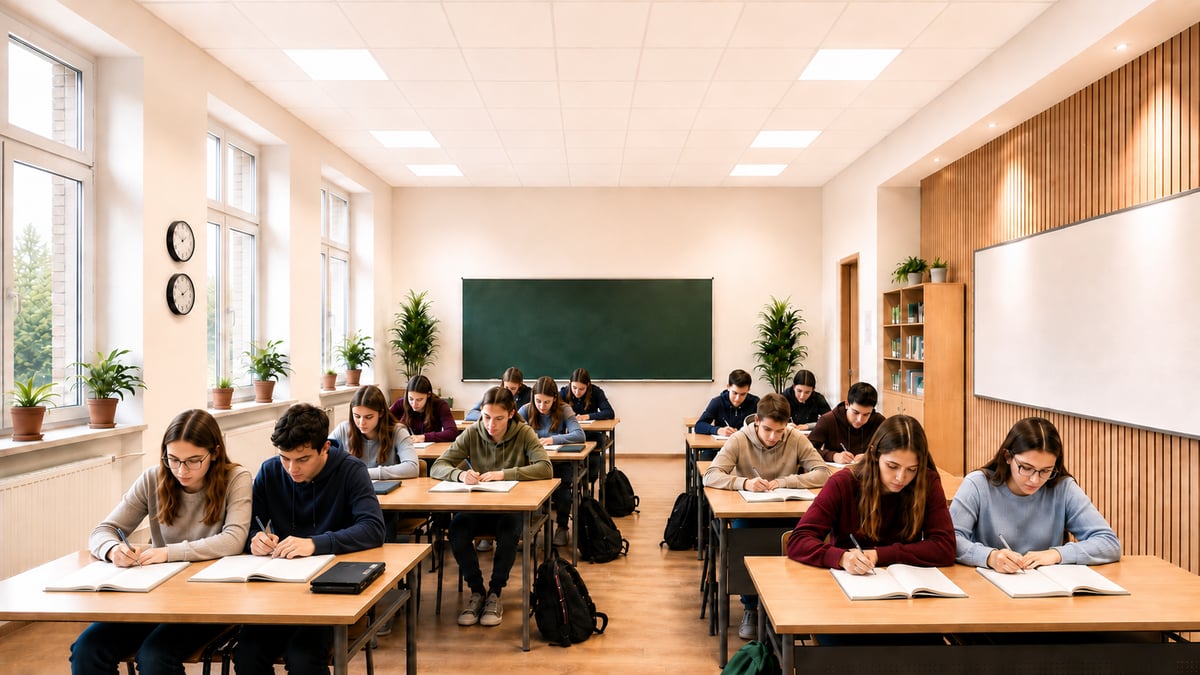
Classrooms must support different learning styles. Concentration, group work, presentations, and creative activities each require appropriate lighting conditions and the ability to easily adjust the lighting to suit the classroom situation.

Specialized & Learning Rooms
Science, technology, and other specialized classrooms place higher demands on visual comfort and light quality. Uniform lighting and good viewing conditions support precise and focused work.

Library & Self-Study Areas
Reading and independent study require quiet, low-glare lighting conditions. Different workstations and hours of use should be taken into account flexibly.
Lounge & Common Areas
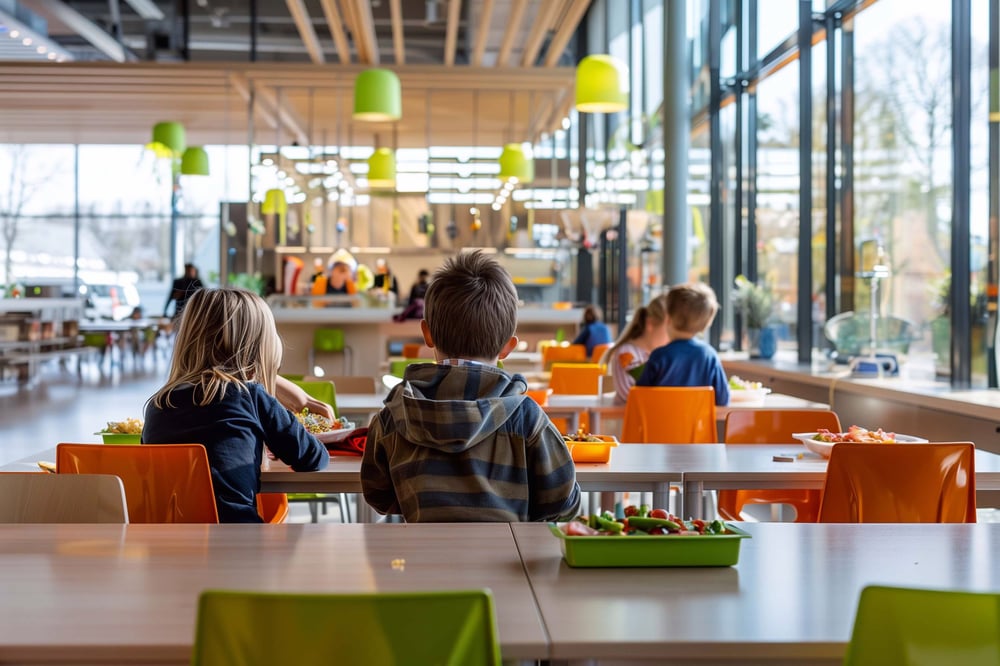
Breaks, interaction, and socializing require a different atmosphere than focused instruction. Lighting can enhance the quality of the space and clearly define different areas within the school.
.jpg?width=1000&height=667&name=coworkers-team-working-brainstorming-concept%20(1).jpg)
Teacher and Administrative Areas
Preparation, meetings, and administrative tasks place similar demands on students as traditional workplaces do. Good visual conditions and adjustable lighting help students stay focused throughout the school day.
Hallways & Walkways
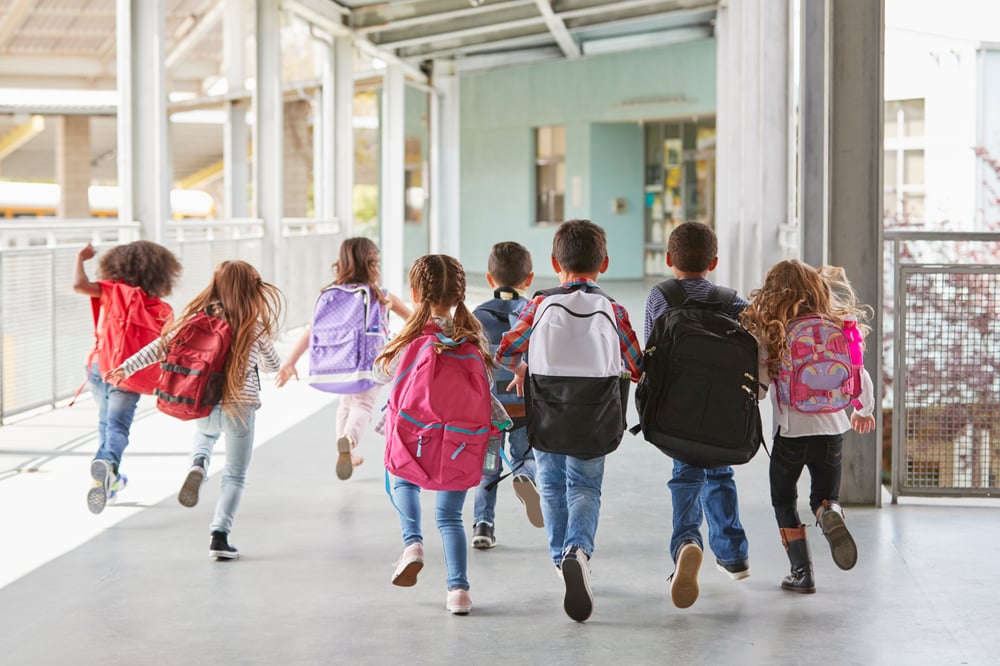
Hallways connect classrooms, common areas, and functional spaces. Clear wayfinding, safe visibility, and lighting tailored to specific needs are just as important here as efficient operation.

Better Concentration
Dynamic lighting conditions can help promote attention and focused work, especially during longer study sessions or when tackling challenging tasks.

Greater visual comfort
Uniform lighting, appropriate light colors, and effective glare control improve visual conditions for reading, writing, and working on digital devices.

Greater Well-Being
Daylight-oriented lighting creates a more pleasant learning environment and can have a positive effect on mood and the quality of the space.

More Flexibility
Different teaching methods—such as presentations, group work, independent study, or creative activities—can be enhanced with appropriate lighting.
More Guidance
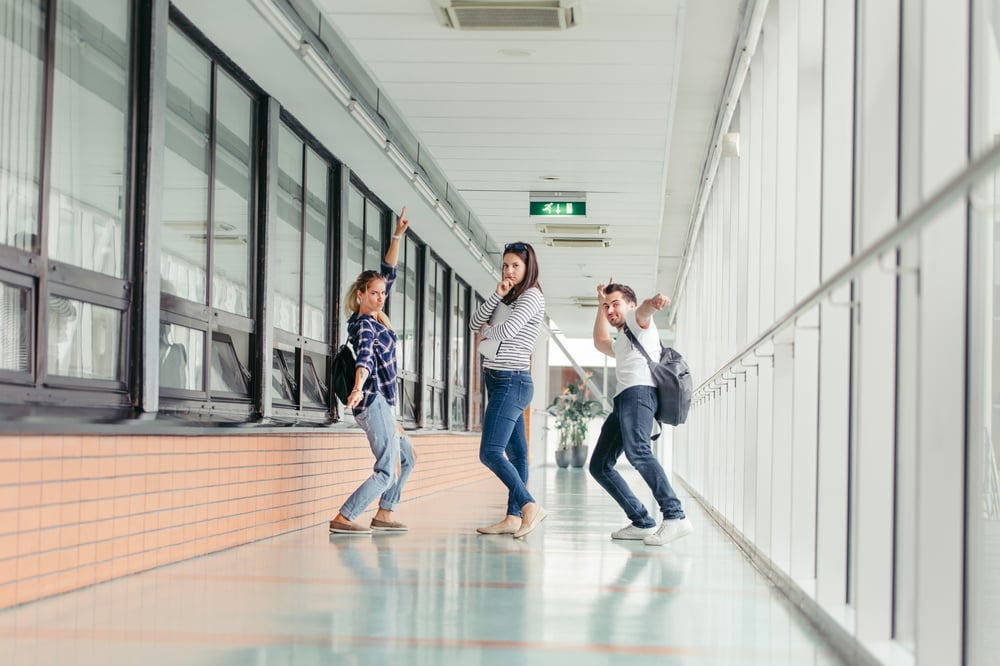
Well-designed lighting enhances visibility in classrooms, hallways, and common areas and makes it easier to find your way around the building.
Greater Energy Efficiency
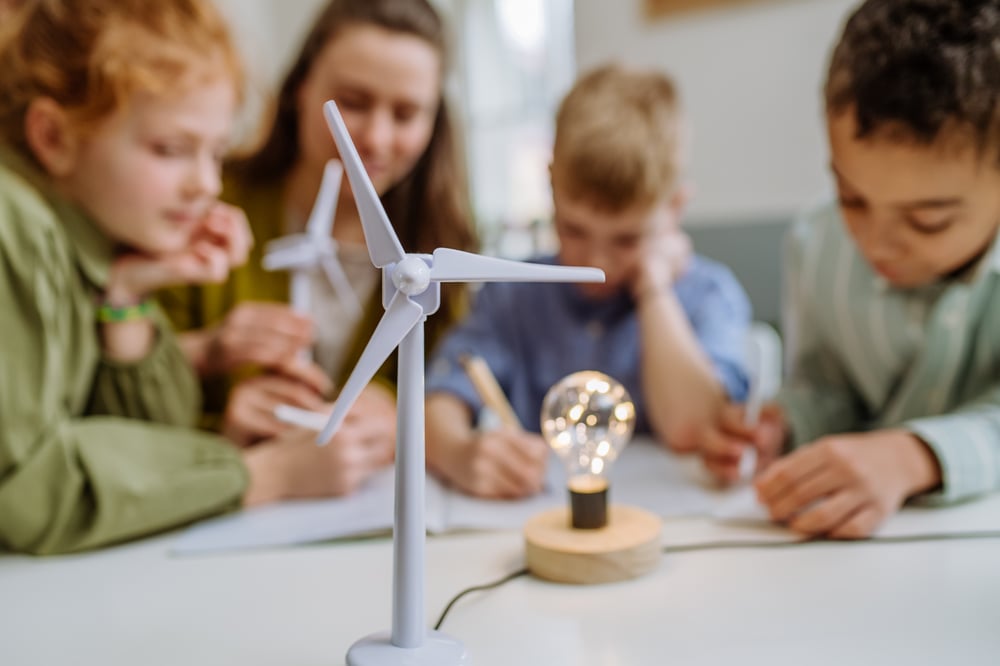
LED technology, the use of natural light, and demand-based control reduce unnecessary operating times and lower energy consumption.
More About Human-Centric Lighting in Schools and Educational Institutions
For more detailed information on the effects, applications, and planning of Human Centric Lighting in schools and educational institutions, please see our application brochure.