


Sun protection that does more than just respond to fixed thresholds
Traditional shading systems often operate with fixed lux thresholds and are therefore sensitive to short-term fluctuations in brightness. This can lead to unnecessary movements and erratic system behavior.
Instead, onework relies on a dynamic brightness assessment. The sun’s position, cloud cover, building facade orientation, and building occupancy are evaluated together to ensure that shading operates in a reproducible manner and only responds when functionally necessary.
Situation
Shading often reacts
too late or too frequently
Traditional blind control systems often operate with fixed brightness thresholds. Short-term fluctuations caused by changing cloud cover can thus trigger unnecessary movements and lead to erratic system behavior that is difficult to plan for.
At the same time, the sun’s position, building facade orientation, building occupancy, and thermal influences must all be considered together. Controlling individual blinds in isolation often falls short in this regard.
Solution
Dynamic Shading Logic
Instead of rigid thresholds
centrally evaluates actual lighting conditions, cloud cover, sun position, facade orientation, and building occupancy, and uses this data to generate the necessary control commands. These commands are transmitted via KNX-SMI gateways to the connected blind drives and implemented across all zones.
This results in consistent responses, fewer unnecessary movements, and shading that can be coordinated with the lighting and climate control functions of the building automation system.
Dynamic
Across zones
Facades, areas, and usage zones are evaluated together.
Usage-sensitive
Reproducible
Identical conditions lead to identical responses and, consequently, to predictable system behavior.
Benefits
Shading that combines comfort and energy efficiency.
Greater visual comfort
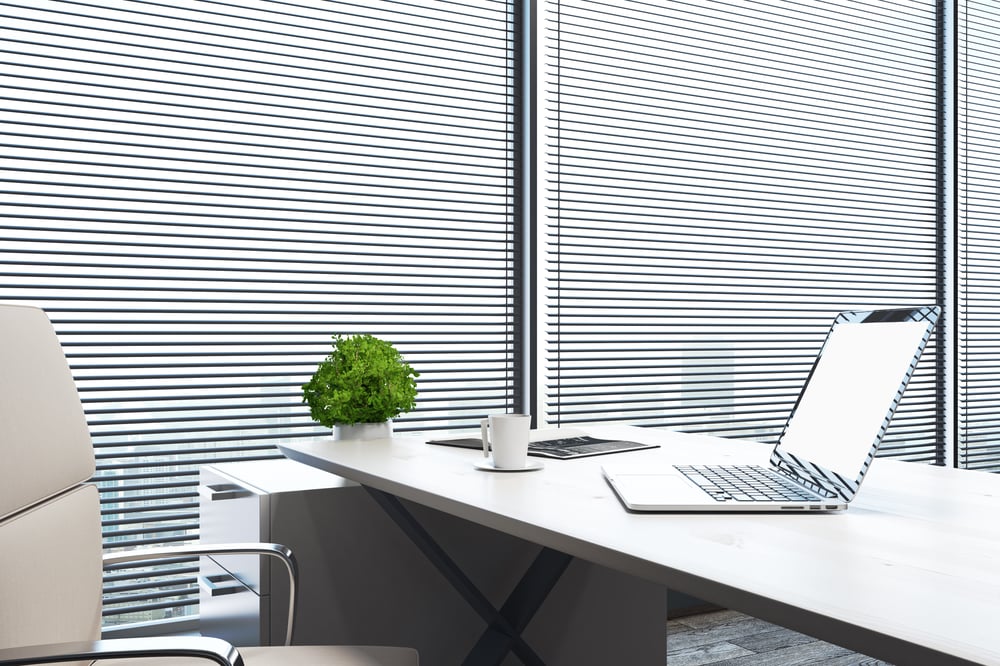
Venetian blinds adjust automatically to the sun's position, cloud cover, and room usage. This helps reduce glare without unnecessarily blocking out natural light.
Fewer unnecessary driving trips
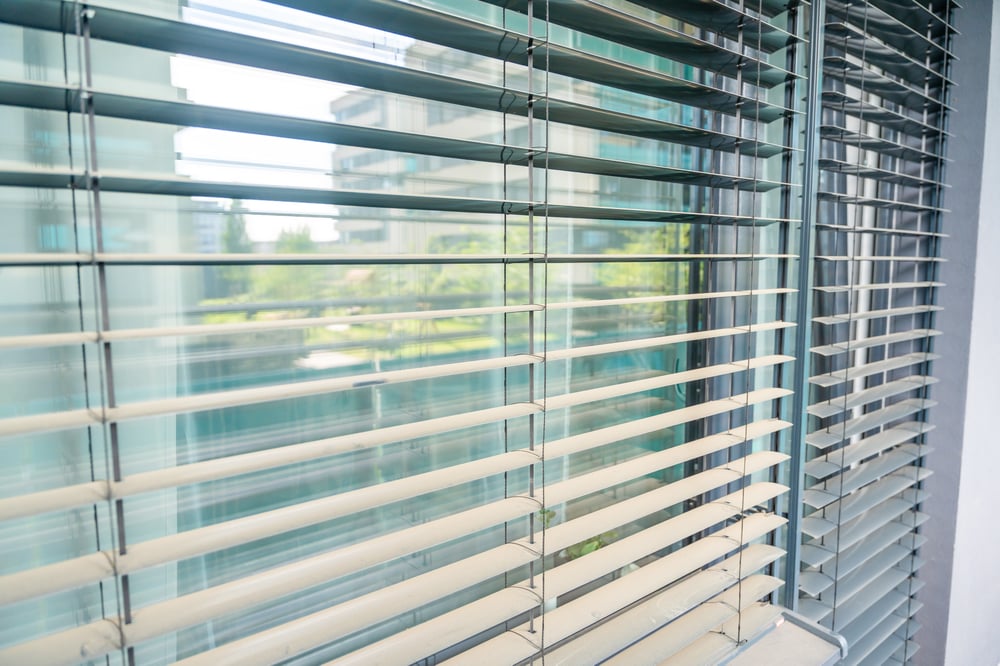
Dynamic brightness control prevents frequent responses to short-term fluctuations and ensures smoother system operation.
Greater Energy Efficiency
The position of the slats and the degree of opening can be adjusted specifically to maximize the use of natural light and reduce unwanted heat gain.

Greater Operational Reliability
Reproducible system decisions make shading behavior more predictable and easier to understand for planning and operation.

More Flexibility
Facades, zones, and usage scenarios can be configured on a project-specific basis and integrated into a common shading logic.

Greater System Integration
Shading is not considered in isolation but is integrated with lighting and climate control functions within the building automation system.
Visualization
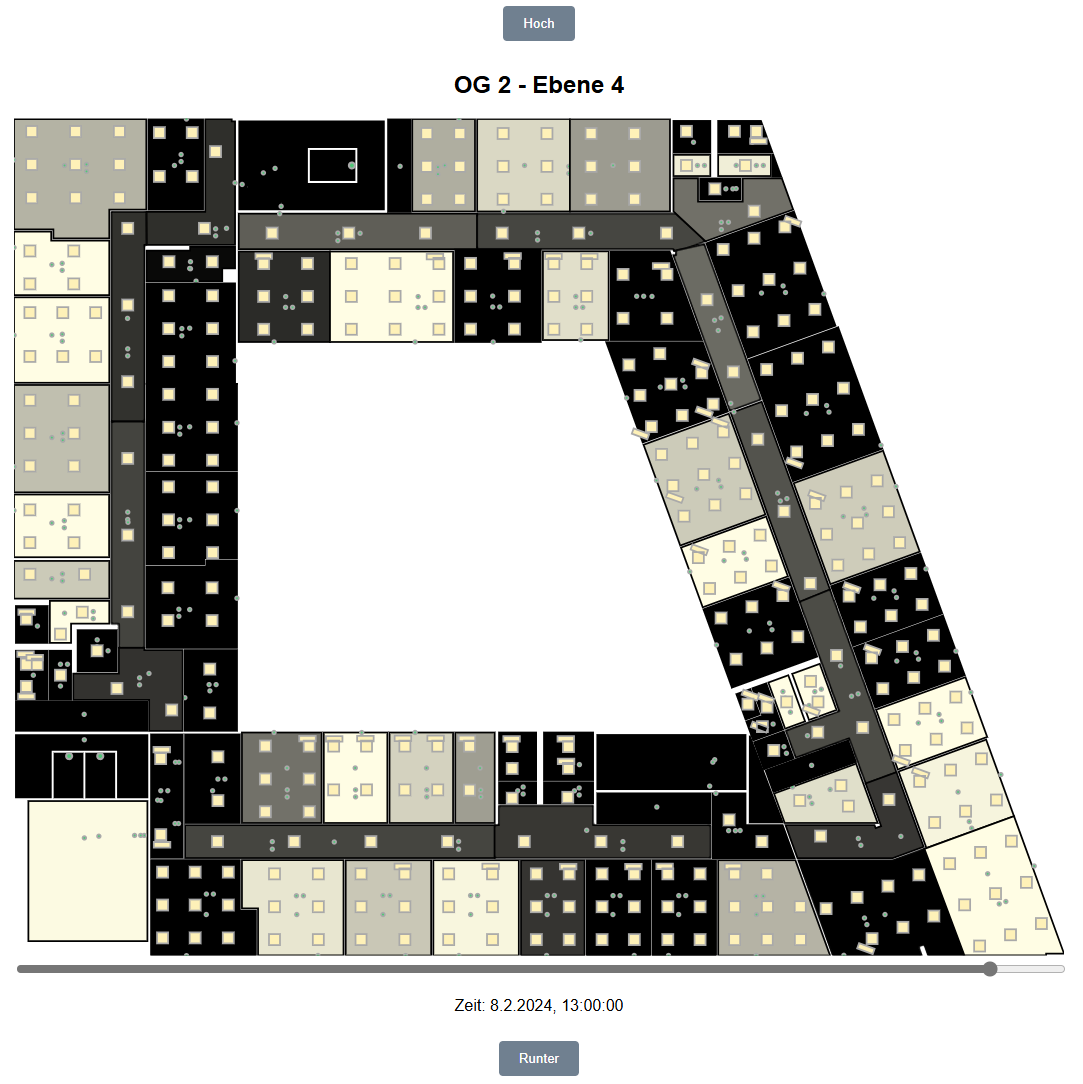
The Guard is a digital twin of the KNX building. This allows you to see on a screen from a central location which device is currently doing what and where malfunctions are occurring.
Optimized Building Operations
Problems are not only identified, but also proactively resolved.
Energy Conservation
Targeted recommendations help minimize energy losses.
Improved Quality of Life
An optimal indoor climate enhances occupants' well-being.
Easy Integration
Quick and easy to set up thanks to the ETS project file.
How the Blind Control System Works
Sensors, central logic, actuators, shading, and operation all work together to form a coordinated blind control system.
.png?width=302&height=302&name=using%20(88).png)
.png?width=400&height=400&name=using%20(86).png)
Processes weather, usage, and room data and handles the central shading logic.
.png?width=400&height=400&name=using%20(93).png)
Transmits control commands to the connected SMI drives and serves as the interface between the automation logic and the shading system.
.png?width=400&height=400&name=using%20(92).png)
They execute position, louver, and movement commands and constitute the operational level of the shading control system.
Allows you to manually adjust the position of the blinds, scenes, and other room functions right in the room.
More About Blind Control
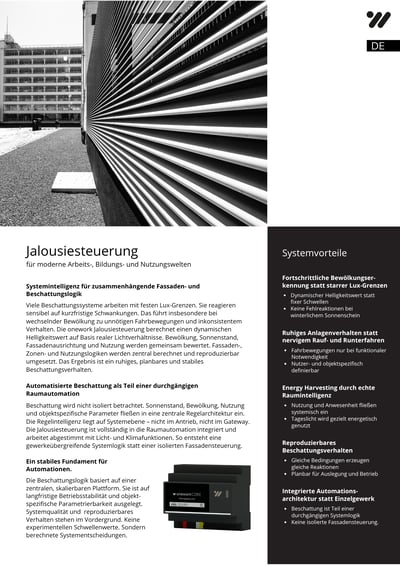
For more detailed information on dynamic brightness assessment, cross-zone shading logic, and integration with lighting and climate control functions, please see our fact sheet on blind control.
Integrating Blind Control Seamlessly into the Project
Talk to us about dynamic shading logic, cross-zone control,
and the integration of blinds into your KNX- and SMI-based room automation systems.

