
Lighting solutions that fit the project. Not the other way around.

Professional lighting for commercial projects. From standard fixtures available on short notice to project-specific procurement, as well as OEM and custom solutions.

onework LUX

Human Centric Lighting -
Dynamic lighting for productive and healthy spaces

Health & Care

Healthcare and long-term care facilities have specific requirements for lighting, wayfinding, and comfort. onework combines professional lighting with smart building automation and Human Centric Lighting for patients, residents, and staff.

Different Rooms
Different Requirements

Healthcare and long-term care facilities consist of areas with very different requirements in terms of lighting, wayfinding, usability, and comfort. Patient rooms, care areas, treatment rooms, and circulation areas each require appropriate lighting and spatial solutions.

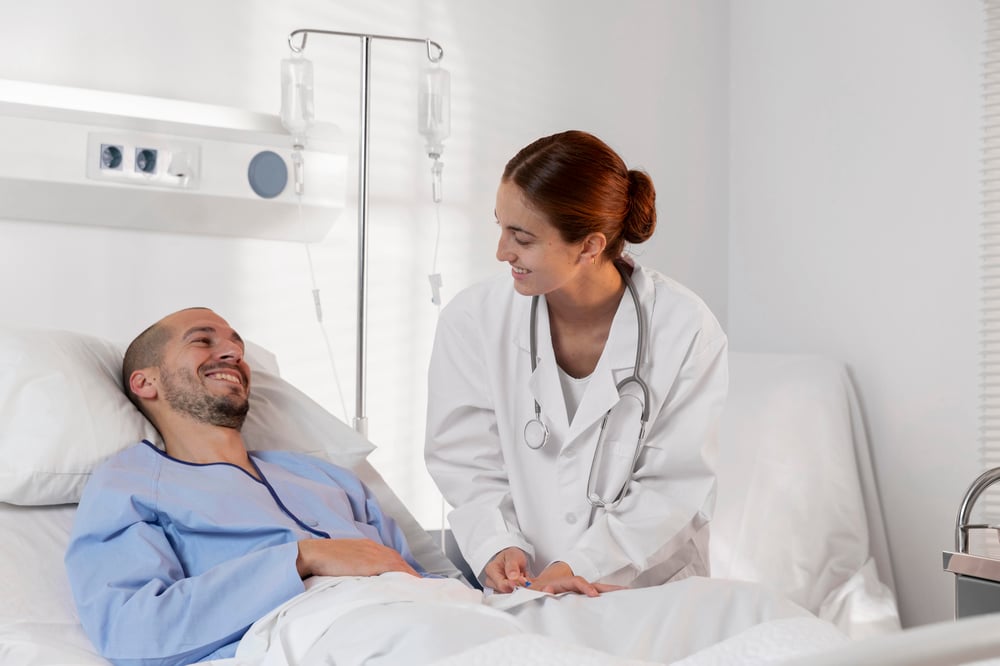
medium-shot-smiley-doctor-patient

Patient Rooms

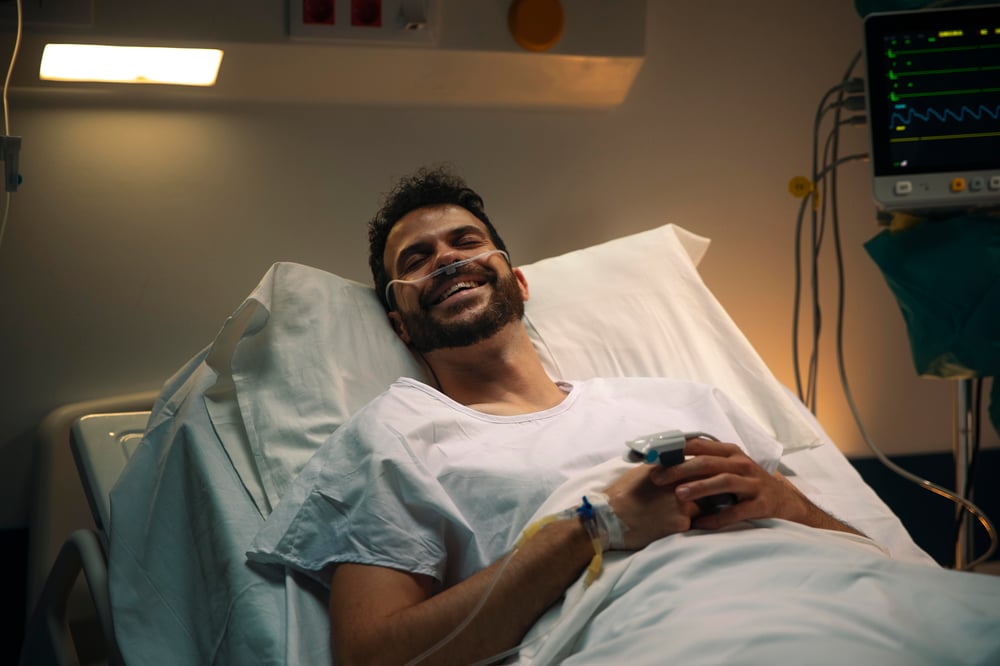
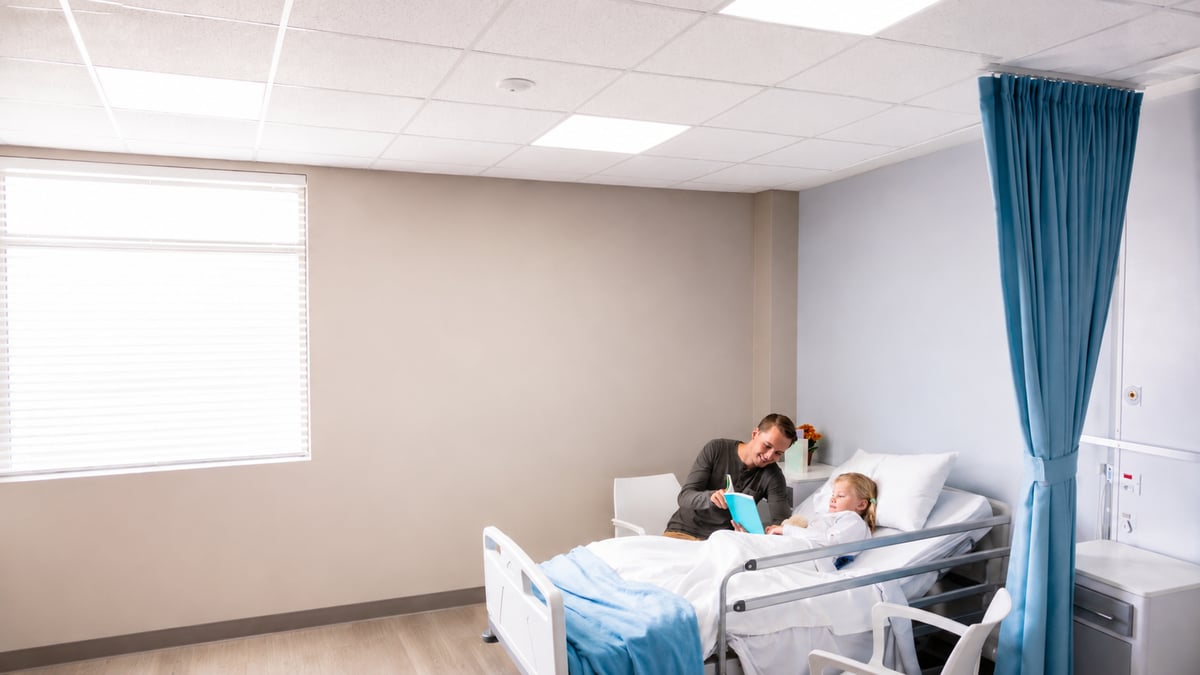
Patient rooms require balanced lighting for daily activities, care, and rest periods. Different lighting moods should adapt flexibly to the time of day, room usage, and individual needs.
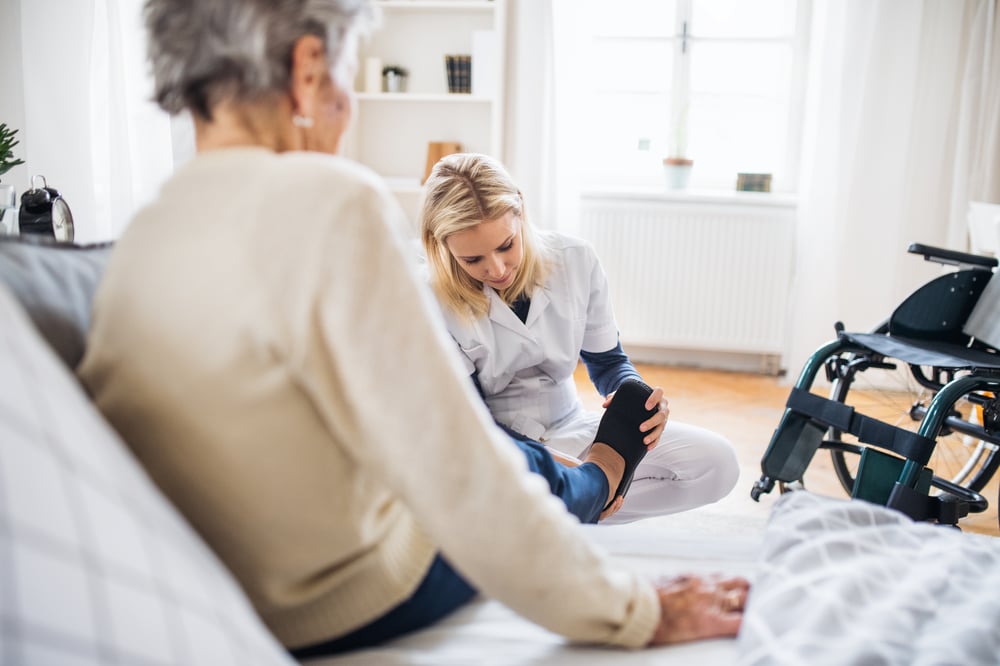
health-visitor-putting-slippers-on-an-elderly-woman-at-home

Resident & Care Rooms

In long-term care facilities, lighting plays a special role in orientation, safety, and well-being. Especially for older adults and people with dementia, lighting that reflects the time of day can make daily life easier.

senior-woman-undergoing-a-chiropractic-back-adjustment-osteopathy-alternative-medicine-pain-relief-concept-physical-therapy-injury-rehabilitation

Treatment and Examination Rooms

Medical procedures require good visibility, clear lighting, and reliable operation. Depending on the application, different requirements for examination, treatment, and documentation must be taken into account.

assistant-looking-patients-checkup-appointments-computer-while-reviewing-medical-research-papers-working-on-patient-treatment-in-a-hospital-waiting-area-medical-service-concept

Ward & Work Areas

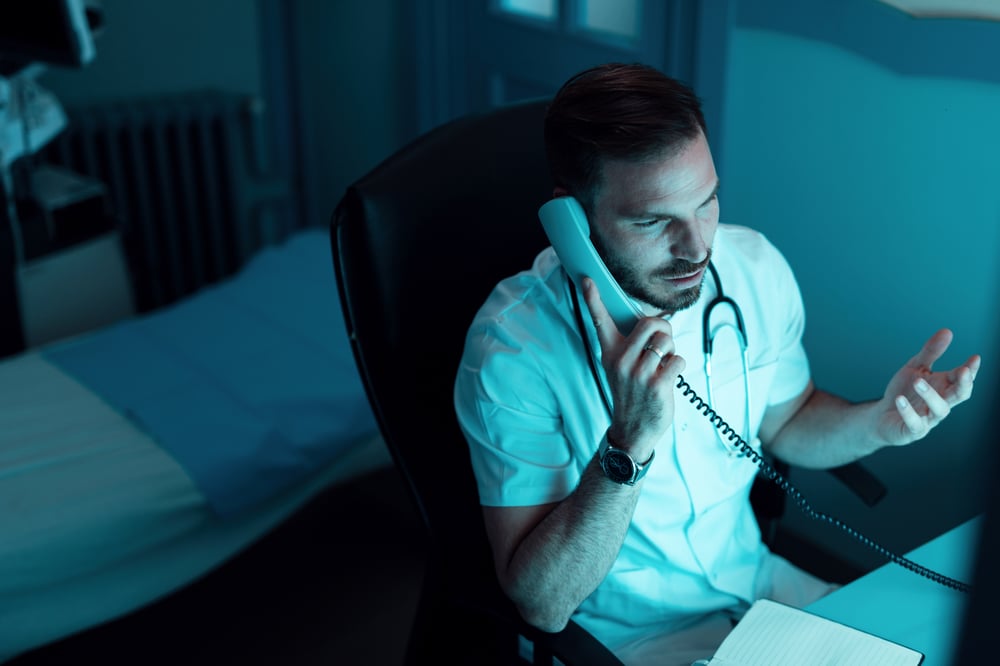
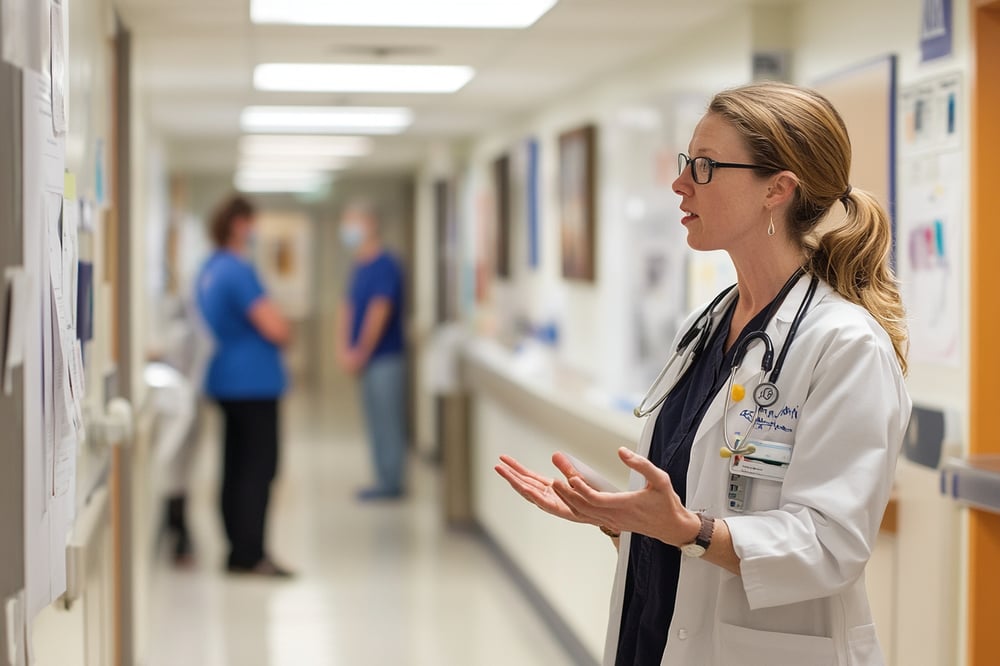
Care and ward areas are in use around the clock. Lighting should support focused work while also accommodating different work schedules and shift patterns.
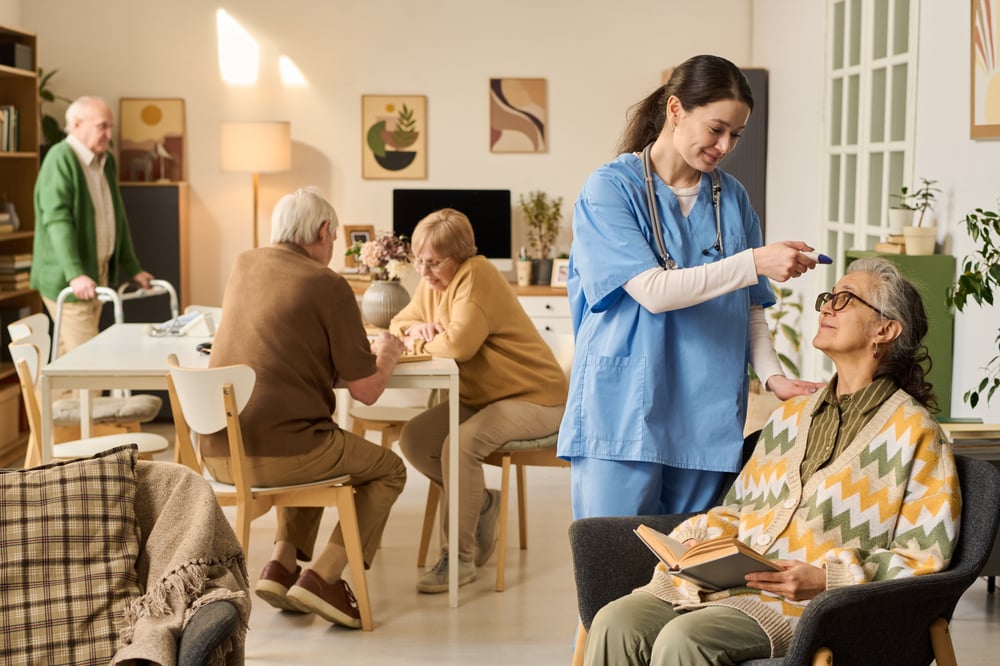
female-caregiver-assisting-an-elderly-woman-in-a-nursing-home-lounge

Lounge & Common Areas

Common areas should encourage social interaction, activity, and relaxation. A pleasant lighting atmosphere helps create a comfortable environment and accommodate different times of day and usage scenarios.
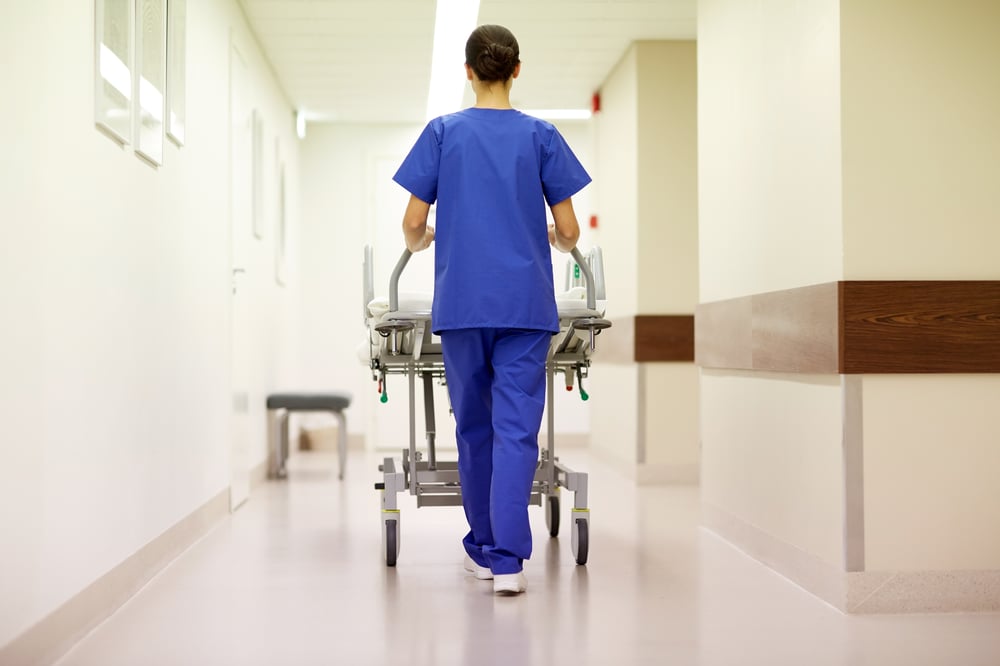
people-healthcare-resuscitation-medicine-concept-nurse-carrying-a-hospital-stretcher-in-the-emergency-room

Hallways & Walkways

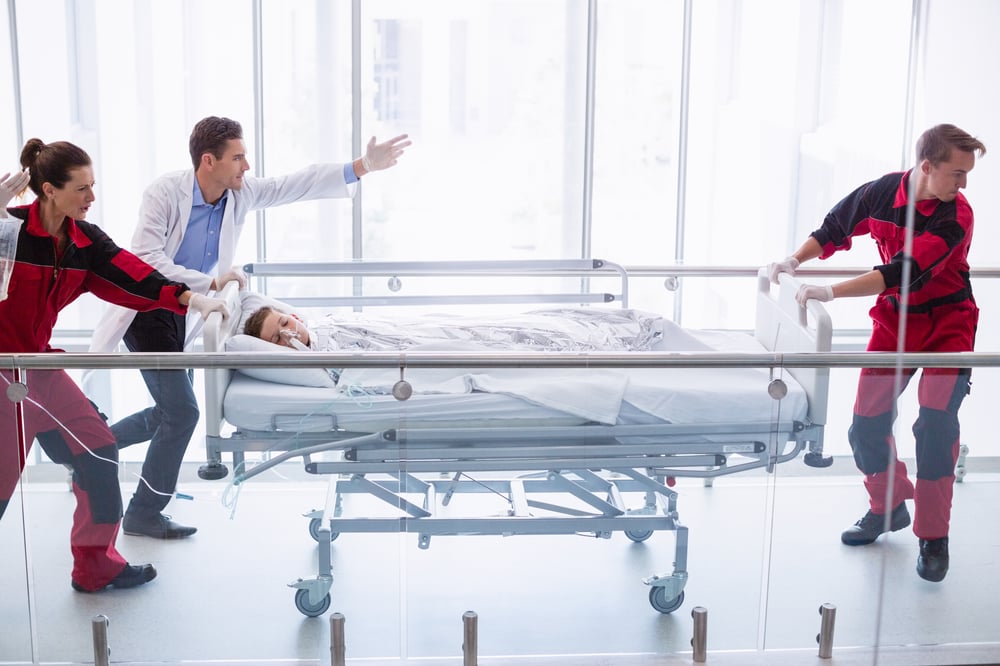
Hallways connect patient care areas, nursing areas, and functional areas. Key factors include clear wayfinding, good visibility, and lighting that adapts to usage and the surroundings as needed, both during the day and at night.
Situation

Good health requires light that does more.

Patients and residents often spend long periods of time indoors and, as a result, sometimes receive too little natural daylight. At the same time, artificial light in the evening and at night, as well as changing daily routines, can place additional strain on the circadian rhythm.

For medical and nursing staff, this is compounded by high visual demands, shift work, and varying usage scenarios. Lighting must therefore support both rest and orientation as well as focused work and safe procedures.

Solution

Light adapts to the time of day, usage, and needs.

Human Centric Lighting aligns brightness and color temperature more closely with the natural course of the day. Energizing light during the day and more subdued lighting in the evening and at night can help better support biological rhythms.

In combination with occupancy detection, daylight, and room automation, lighting and other room functions can be controlled as needed. This creates lighting conditions that take into account the needs of patients and residents as well as those of medical and nursing staff.

Benefits

Light that supports people and processes.

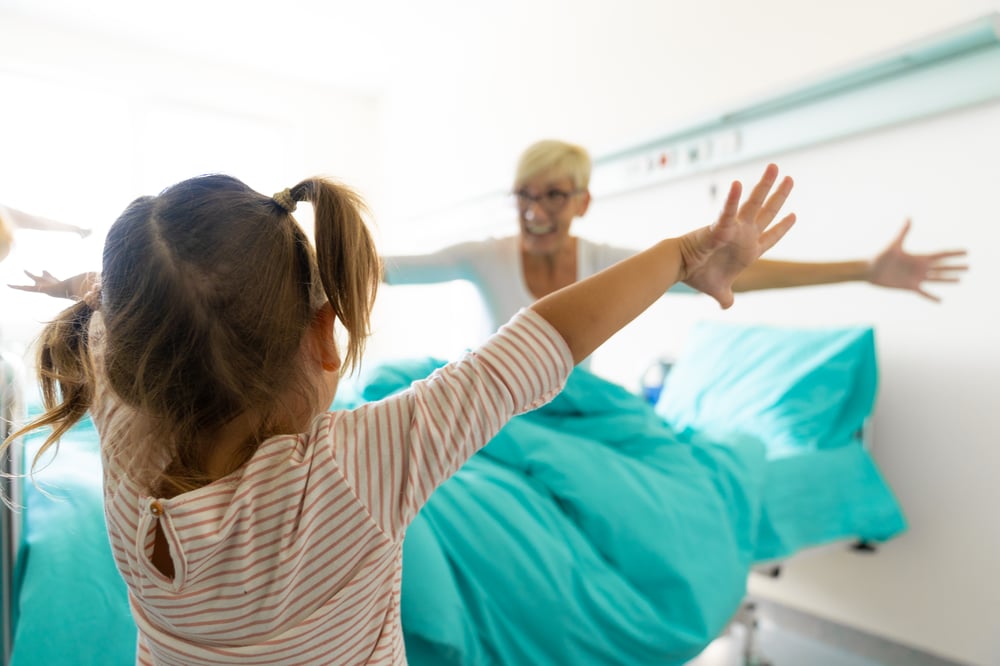
close-up of an unrecognizable little girl raising her hands to embrace her grandmother, who is lying in a hospital bed

Greater Well-Being

Lighting that matches the time of day can create a more pleasant atmosphere and help better support natural cycles of activity and rest.
discussing-financial-reports

Greater Energy Efficiency

LED technology, occupancy sensors, and demand-based lighting reduce unnecessary operating times and lower energy consumption.
The difference is noticeable

Modern lighting in healthcare and long-term care facilities does more than just improve the brightness of a room. It aids in orientation, visual safety, and well-being, and creates lighting conditions that are better suited to the time of day, the facility’s use, and the needs of patients, residents, and staff.

More About Human Centric Lighting in Health & Care

For in-depth information on the effects, applications, and planning of Human Centric Lighting in healthcare and nursing, please see our application brochure.
Holistic Planning for Health and Care Facilities

Talk to us about lighting, Human Centric Lighting, building automation,
and the specific requirements of healthcare and nursing facilities.