Cross-Trade Automation for Flexible Rental Spaces
The Johannes Gutenberg House Kiel, located in the Kiel Science Park, is a completed multi-tenant office building featuring flexible units designed for a variety of commercial tenants. onework provided planning and construction support on behalf of the manufacturer, as well as system integration for room and building automation. KNX, DALI, SMI, the facility network, occupancy data, room climate control, sun protection, Human Centric Lighting, measurement and control systems (MSR), building management systems (GLT), fault reporting management, and energy management were integrated into a scalable automation structure.
A total of 806 KNX devices were integrated across 6,500 m² of rental space. The Johannes Gutenberg House thus provides a flexible technical infrastructure that accommodates a variety of tenant requirements and enables efficient control of building operations.
Challenges
Flexible Tenant Structures
Different usage units had to be technically distinct from one another while also being controllable centrally.
Wide Variety of Systems
KNX, DALI, SMI, MSR, GLT, and the facility network had to work together within a robust architecture.
Transparency in Operations
It became necessary to be able to centrally record and analyze malfunctions, consumption, and operating conditions.
Scalability for future adjustments
The automation system had to be designed in such a way that changes in floor space and new requirements could be accommodated without disrupting the system.
The solution with onework
onework CORE
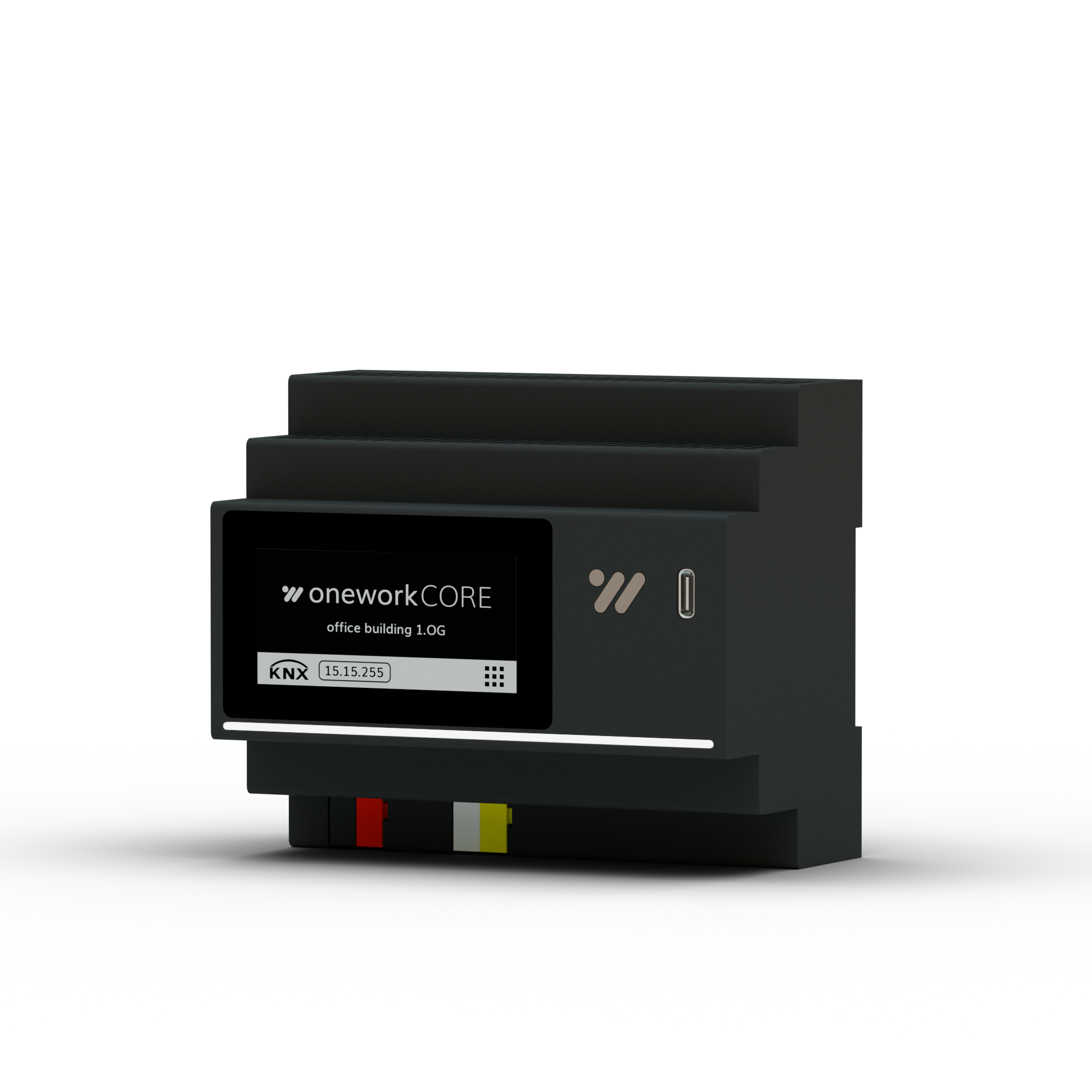
onework CORE serves as the central integration platform for room and building automation. Building functions are consolidated, control logic is standardized, and operational statuses are made transparent.
KNX, DALI, and SMI
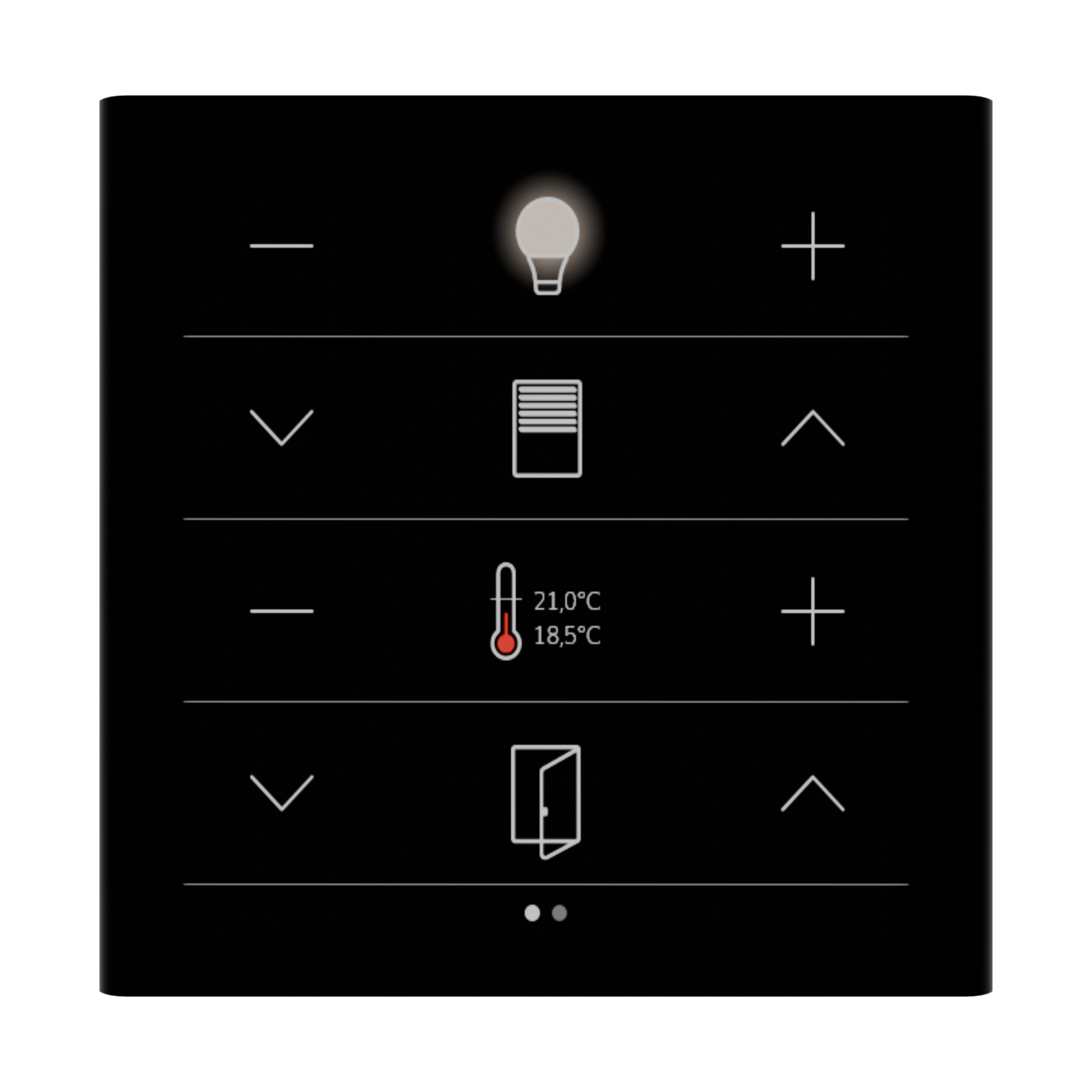
Technical integration enables coordinated control of lighting, sun protection, and room functions. This combines comfort, energy efficiency, and space flexibility into a single system.
Fault Reporting and Energy Management
Fault notifications and consumption data are made available in a structured format. This improves response times, operational reliability, and optimization potential.
Indoor Climate, Occupancy, and Daylight
Room functions are controlled based on usage. This increases comfort and reduces unnecessary energy consumption.

About Wissenschaftspark Kiel
Wissenschaftspark Kiel is an innovation-oriented business and technology hub located in the immediate vicinity of Kiel University (Christian-Albrechts-Universität zu Kiel). It brings together businesses, research, knowledge-based work, and modern infrastructure. Wissenschaftspark Kiel GmbH develops and operates the site with the goal of creating flexible spaces, short distances, and a productive environment for technology- and knowledge-based companies.